When I interviewed Brenda Mallon here in the House of Dreams a few weeks ago, she touched upon the way that dreaming about a lost loved one can bring great comfort for the bereaved.
These dreams happen when a person is most in need of comforting, but dreams can bring comfort in less extreme times too.
When I was about five years old, I dreamt I was riding along my street in a horse-and-cart, on a lovely summer day. The horse was trotting happily, and the cart was full-to-overflowing with gold coins which jumped and jingled, and sparkled in the sun.
Everyone came out of their houses to wave as I went by, and I knew I ought to throw pennies to the poor, but I didn’t. That gold was mine, all mine!
I liked that dream so much I used to deliberately go back into it every night, as soon as I closed my eyes. It made me fall asleep with a smile on my face.
I used to think that dream showed what a horrible person I was – it was a guilty pleasure. But looking back now, I see it’s just the dream of a child in a large family with little money, where clothes were passed down and everything – even the bath water – had to be shared. It was the pure pleasure of experiencing something which was completely my own.
You can re-enter enjoyable dreams any time you like, by simply closing your eyes and imagining, in the same sort of way as you might revisit pleasurable fantasies in waking life.
It isn’t the only function of dreaming and imagination, but bringing comfort and pleasure is one way these experiences can enrich a person’s life.
Have you ever deliberately imagined your way back into a pleasurable dream on subsequent nights?
I work and teach in the practice school of writing. This means that rather than studying technique and trying to apply it, as we mostly learn to do in mainstream education, we start from just doing it and allowing our own unique style to develop through practice.
Obviously, this approach depends upon doing lots of writing and, as no-one keeps going for long with things they don’t enjoy, the first rule of writing is enjoyment.
If you can’t enjoy it, it’s better to take a step back and wait until the mood or the ideas or the psychological space for writing comes back.
Work is love made visible. And if you cannot work with love but only with distaste, it is better that you should leave your work and sit at the gate of the temple and take alms of those who work with joy ~ Khalil Gibran, ‘The Prophet’
The paradoxical effect of this approach is that being prepared to wait means you never have to. When the impulse is pleasure, work is alligned with instinct, and you are flowing with life.
This is not to say you don’t have to work at your writing, but only that as long as you’re writing things which fully engage you, it’s work you want to do and therefore, however hard it may sometimes be, it never feels like a chore.
And what is it to work with love? It is to weave a cloth with threads drawn from your heart, even as if your beloved were to wear that cloth ~ Khalil Gibran, ‘The Prophet’
You may have noticed that although I normally blog every Wednesday, I’ve skipped a few weeks since Christmas. This is because I’ve been immersed in my work-in-progress and would have resented spending time on other writing.
I didn’t want to short-change myself, or you, or the spirit of writing by publishing something which felt like homework. So I took a break last week and the usual thing happened – lots of new ideas came into my head which are engaging enough for me to want to set aside other writing for an hour or so and explore them in the House of Dreams.
I met Brenda Mallon at a conference of children’s authors and she kindly agreed to read the MS of my book, ‘Writing in the House of Dreams’ and to be interviewed for this blog.
Brenda has over thirty years experience of working with dreams as a researcher, teacher and therapist. She has written 18 books on the subject, presented a Channel Four series ‘In your Dreams’ and sat on the board of directors of the International Association for the Study of Dreams.
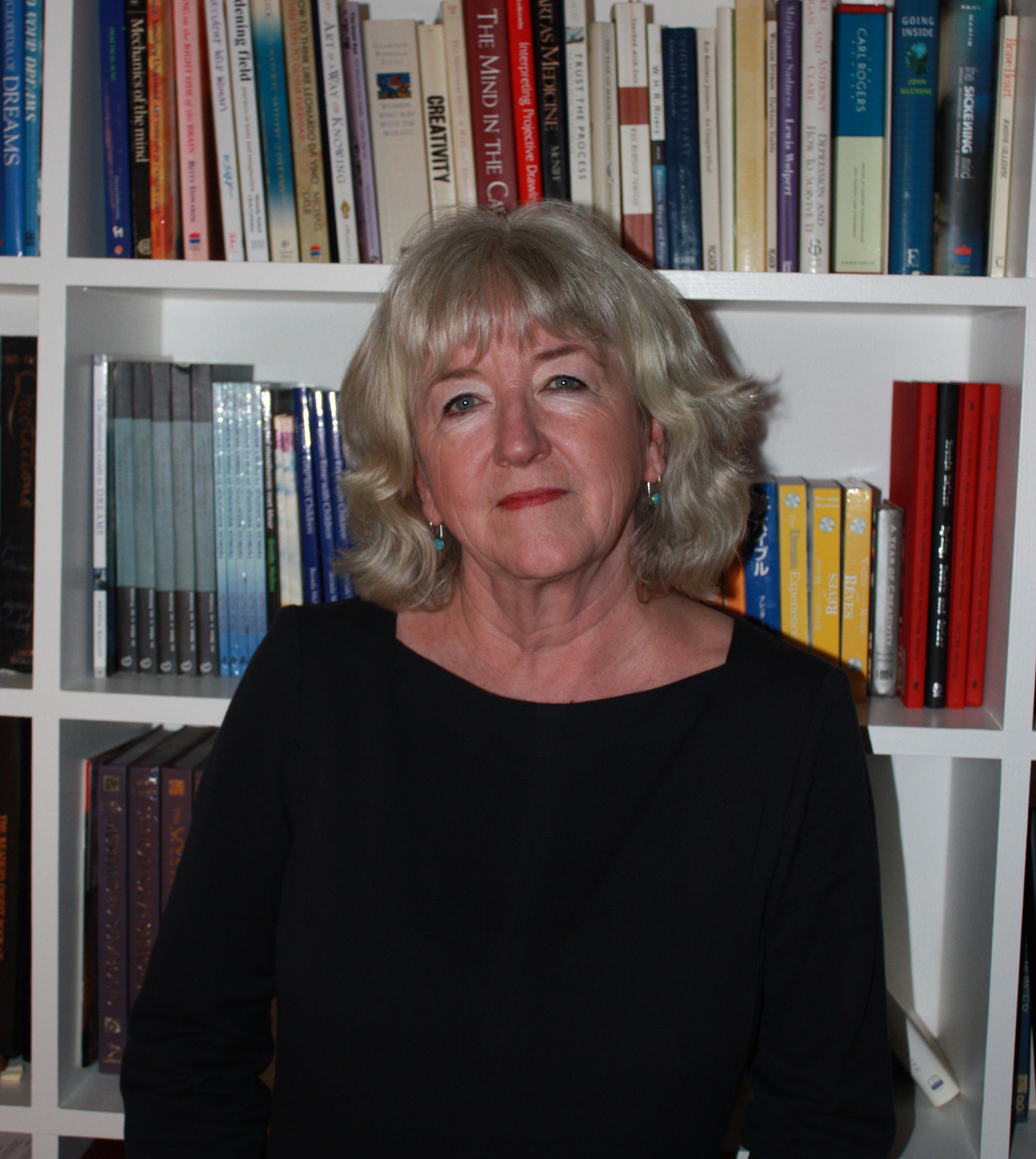
Brenda in her study
Could you tell us a bit about your own personal journey in dreams, Brenda? How and why did you start to remember them, and how has your relationship with dreams developed over the years?
I can recall dreams from my childhood that have stayed with me. I was probably influenced to some extent by my mother. She talked about her dreams and had dreams which were precognitive. She didn’t call them that but would say, ‘You watch, it will happen.’ I think she was psychic in many ways and dreams were just one aspect of that ability. So, over the years I was fascinated by dreams . When I was completing my Diploma in Counselling I based my dissertation dreams. I recorded and worked on my dreams over a sixth month period and was amazed by what they revealed. After that I wanted to focus on working with and researching dreams and to find out what other people’s dreams meant to them, so when I wasn’t working in my full time job in the Child Guidance Centre, I was sending out questionnaires and interviewing woman about their dreams. Over 900 woman took part and the findings were covered in my first book ‘Women Dreaming’ which was published by Harper Collins.
I greatly enjoyed your Channel 4 series, ‘In your dreams.’ Could you talk about how you work with dreams as a therapist?
Thanks, I enjoyed working on the series and meeting such a variety of people who were not coming for therapy but to discuss their dream life in general.
As a therapist, my role, I believe, it to accompany people as they seek to find a way to resolve issues that are distressing and to help them find their own way forward. I generally ask clients to write down their dreams when they recall them and to bring them to the sessions. I should add here, that not all clients do remember their dreams so I work in other ways if that is the case. When a client talks about a dream I ask them if they can make a connections to their waking life and explore the emotional aspects of the dream as well as the symbolic significance of the content. Sometimes, I ask the client to draw their dream and use that as a basis for our work. These techniques, including recording your dreams, using metaphors and symbols, taking the dream forward and dream amplification are detailed in ‘The Dream Bible’ (Godsfield/Octopus)
I like working with dreams because they empower the client to work on their own dreams once they get used to the techniques. This can take just a few sessions and it is something they can access on their own for the rest of their lives, if they wish to. Also, I have specialized in working with people who have been bereaved and, in many cases, dreams can bring great comfort. They form part of the continuing bond we have with those who have died. In ‘Dying, Death and Grief: Working with adult bereavement’ (SAGE) I show how valuable such dreams can be.
As a children’s author, I’m interested in your work with children’s dreams. What would you say are the main differences between talking with children about their dreams and talking with adults?
I think younger children are more open to talking about their dreams and less concerned about how others might view them. I remember, one four year old I spoke to told me that dreams were ‘pictures in my pillow’. His dreams were in his pillow which came into his head when he slept. (In fact, I later used it in ‘Children Dreaming: Pictures in my pillow’ (Penguin). So, small children feel they have little if any control over dreams and their content and are less defensive than adults sometimes are.
Children are usually happy to enter into the playful aspect of dream work. For example, a girl whose brother had died, had a distressing dream in which a lion came into her bedroom and wanted to eat her and her brother, who was alive in the dream, She talked about what frightened her and how she was sad that her brother no longer came into her room to play. She drew the dream, including the fierce lion. I asked her what she would change in the dream if she could change it. She thought for a while and said, ‘The lion could turn out to be nice and then it could go away. I could play with my brother again and that would be lovely.’ So, we talked about what they would play and games they used to play. She then did another drawing of herself and her bother playing as they had done in the past. She knew her brother was dead and would not return to her home and family but talking about him and playing with him gave her comfort and a chance to recall happy times in the past, which is part of the grieving and healing process.
Working with adults is also a pleasure. Adults however may have more pre-conceived ideas about dream interpretation which may lead to being more guarded about what dreams they share. However, once they understand dreams are powerful tools to help them through their crisis or distress, they truly value them, even those nightmare ‘wake up’ calls.
This blog is mostly about using dreams as a creative resource. I know you also teach creativity and writing workshops – do dreams feature in that work as well?
Artists, writers, scientists, musicians and actors speak of the importance of dreams as a source of creativity. I use dreams in my own writing and many members of the creative writing courses I teach use dreams as the springboard for their writing. Sometimes an image will be so vivid that the dreamer cannot get it out of their mind. This kernel of an idea then grows to encompass characters, plot, further imagery and a developed story line. In other cases, the whole story or song appears in the dream. Robin Gibb, of the Bee Gees, told me his song ‘Stayin’ Alive’ came in one of his dreams as did Paul McCartney’s ‘Yesterday’.
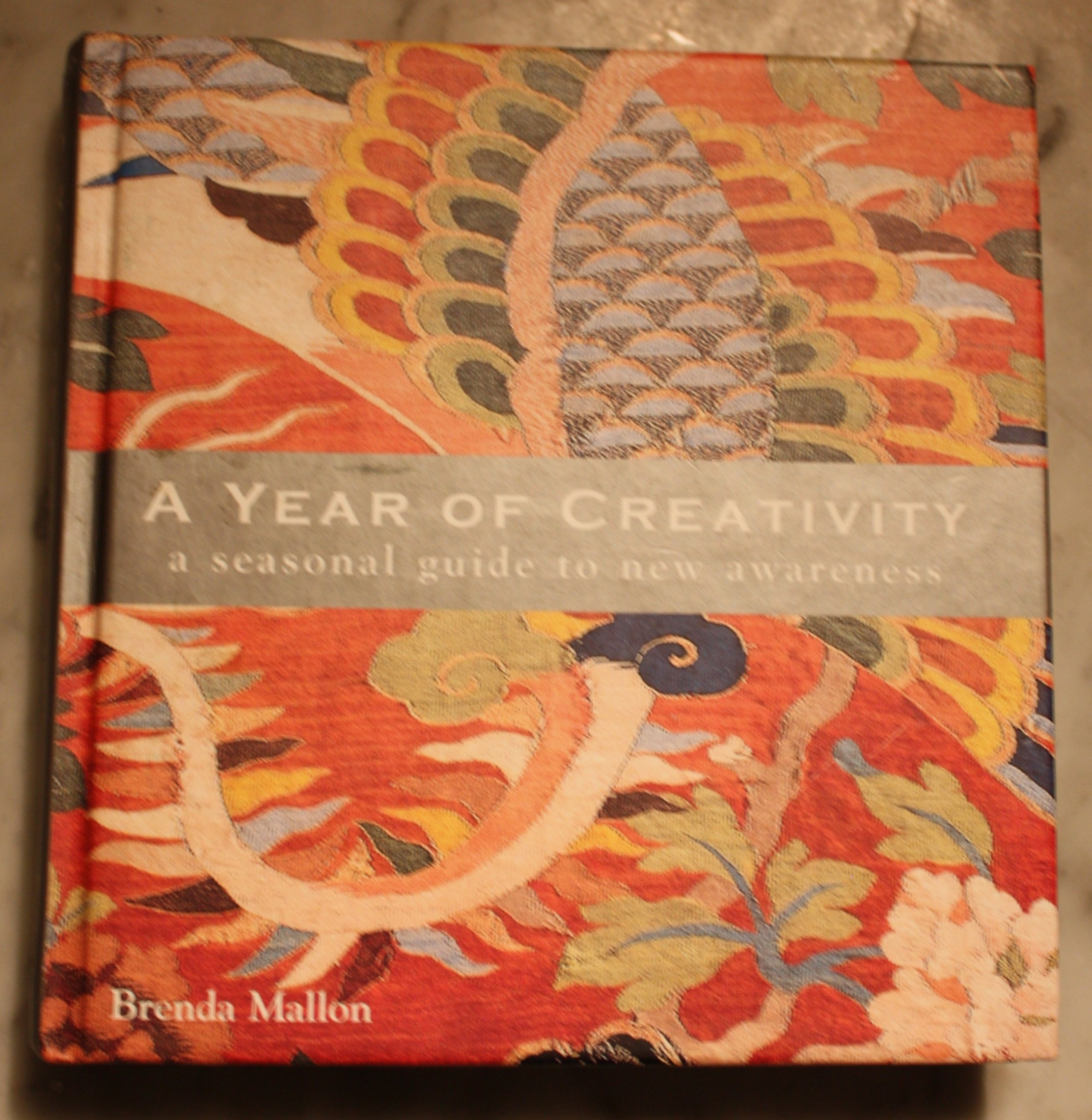
I include sections on creative writing and creative dreaming in ‘A Year of Creativity’ (MQ Publications) as I think dreams are central to our creativity. The more we pay attention to our internal treasure trove of dreams the more enriched we are.
Who is your favourite author on the subject of dreams?
I like the work of Kelly Bulkeley, Robert Van De Castle and Patricia Gardfield. All members of the International Association for the Study of Dreams who have made vitally important , accessible contributions to the understanding of dreams. Also, Carl Gustav Jung, who could leave him out!
And your favourite book?
This is a hard one to answer. Probably because it is one of the earliest books I read that introduced me to the significance of symbolism in dreams is ‘Man and His Symbols’ by C.G. Jung.
As an author yourself, which of your own books are you most glad to have written?
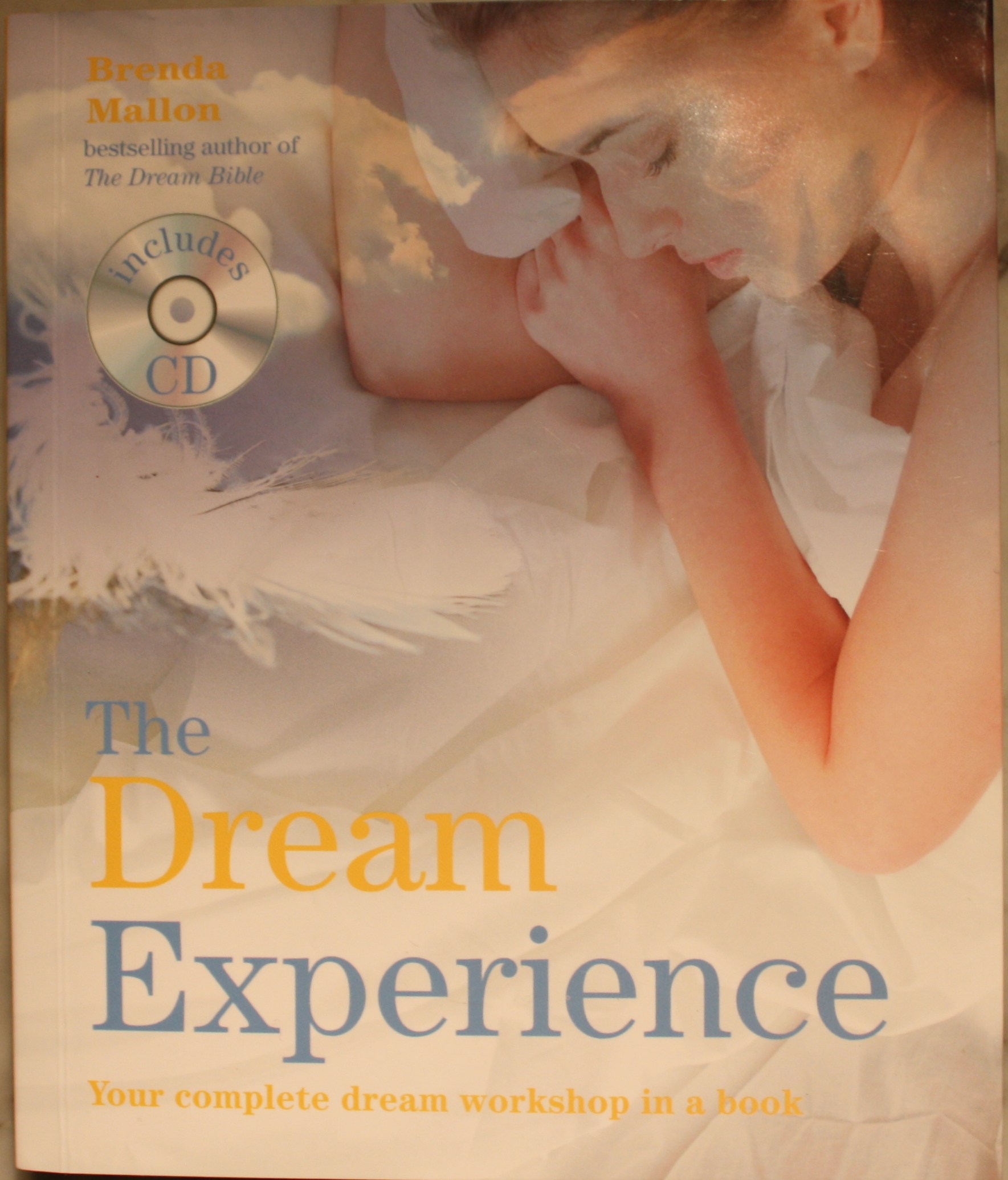
Another difficult question! As a therapist, I think ‘Dreams, Counselling and Healing’ was an important book because I was able to put down my experience of working with clients and to show how powerful working with dreams is and to share techniques so others could use them. My latest dream book ‘The Dream Experience: Your complete dream workshop in a book ‘, which includes a CD featuring exercises and inspirational music, is interactive and is, I hope, a guide to deepen awareness of the creative heart of dreaming.
Jung said that dreams don’t only happen when we’re asleep, but all the time, waking and sleeping, throughout our lives. The unconscious mind is continuously producing images and narratives, but we’re only aware of it during sleep because then the distractions of waking life are stilled.
The movement between the conscious and unconscious areas of the mind is like a breathing in and out. Products of the unconscious mind emerge into consciousness – inklings, intuitions, emotions, instincts, senses, desires, before we have had time to formulate them into conscious ideas – and everything you have ever consciously known but don’t currently need to remember sinks into your unconscious mind, where it may lie undisturbed for years.
Because everything you have ever known is in there somewhere, it isn’t uncommon to have the experience of a name or piece of information you vaguely recognise but can’t recall where from suddenly popping up in your mind in response to something that’s happening in your life.
‘Women who run with the wolves’ – highly recommended
This happened to me recently when I was planning some new courses. One of the ideas I was considering was an all-women group, and another was writing from myths – I do a couple of sessions on myth in my ‘Writing in the House of Dreams’ workshops, but not a whole course. That night, I dreamt about someone called Pinkola Estes.
The name rang a bell, and I looked it up, to discover that Clarissa Pinkola Estes was the author of a book from the nineteen-nineties exploring myths and stories, ‘Women who run with the wolves.’ I recalled a friend recommending the book to me two decades before, but as I didn’t like the title I had never followed it up.
I hadn’t thought of Clarissa Pinkola Estes once in the intervening years – to all intents and purposes, I had completely forgotten about her. She had only ever been, after all, a fleeting mention. But I bought the book, and am finding it very useful as I develop this new workshop series.
I have dreamt the names of books, authors, gods and goddesses, which I may have come across long ago or sometimes can’t recall ever having heard of before, and it always happens at a time when following them up proves to be fruitful.
Have you ever suddenly recalled to mind something you had effectively forgotten?
Last week, I delivered a children’s book to my agent which I first conceived more than ten years ago. It had been through several complete versions, one of which a previous agent had actually sent to a publisher, as much as anything in the hope of getting some useful feedback, as she and I agreed that it probably wasn’t quite there, though we couldn’t see what was missing.
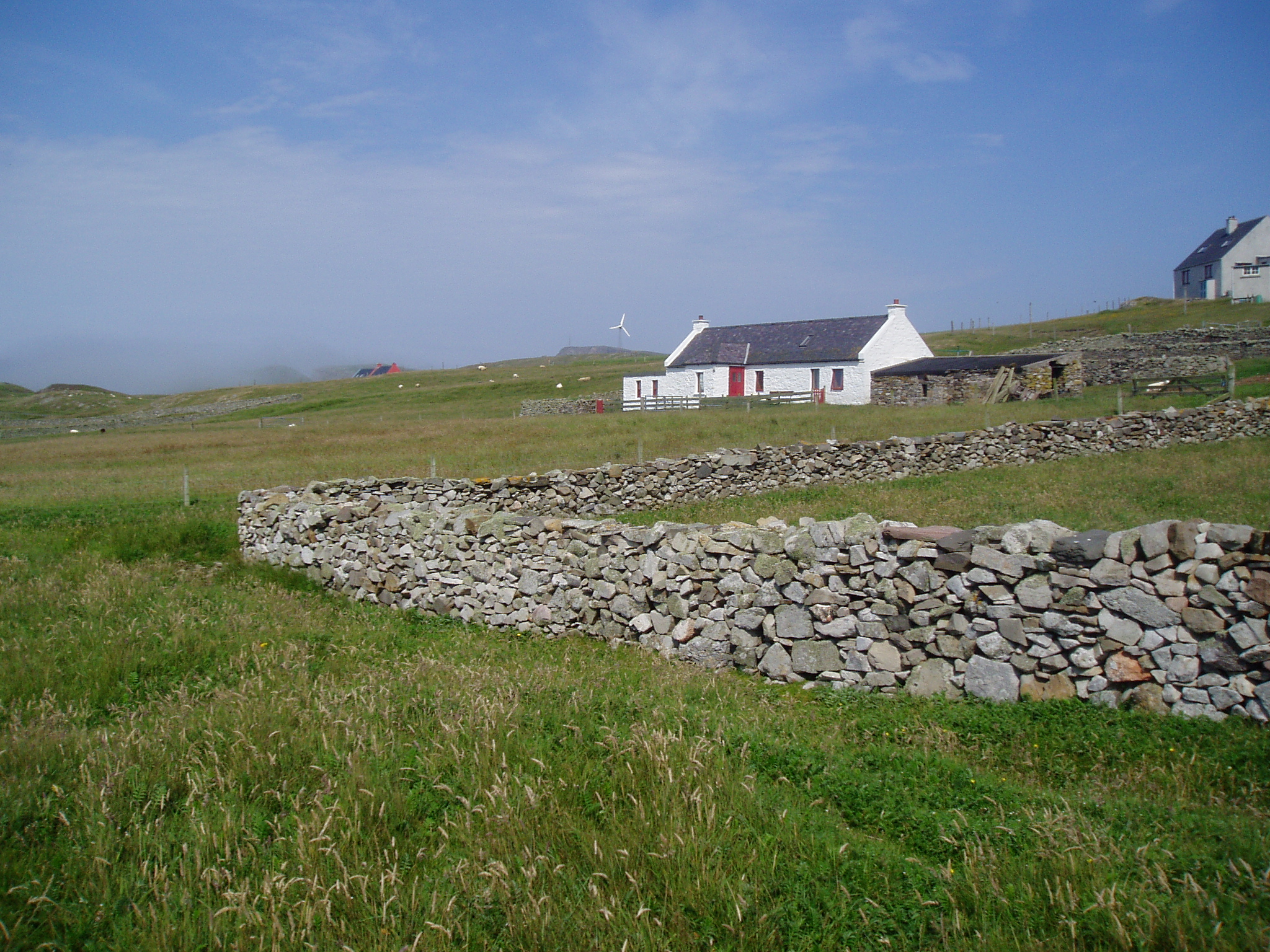
The book was set on a small island – research took me to Foula and Fair Isle in 2003
It wasn’t quite there, but it didn’t go away, and when I had flu before Christmas, it re-emerged quite unexpectedly, to announce that it was ready.
I had lost all my previous notes and versions, but I knew the story, and this time the planning and writing came easy and complete, like a jigsaw falling into place, all the missing pieces found.
Now, starting work on another new book, I’ve discovered that this story also took root in me more than a decade ago, and the same thing is happening. Where it once felt stuck and abandoned, now it’s emerging fully-formed, and all I’m having to do is write it down.
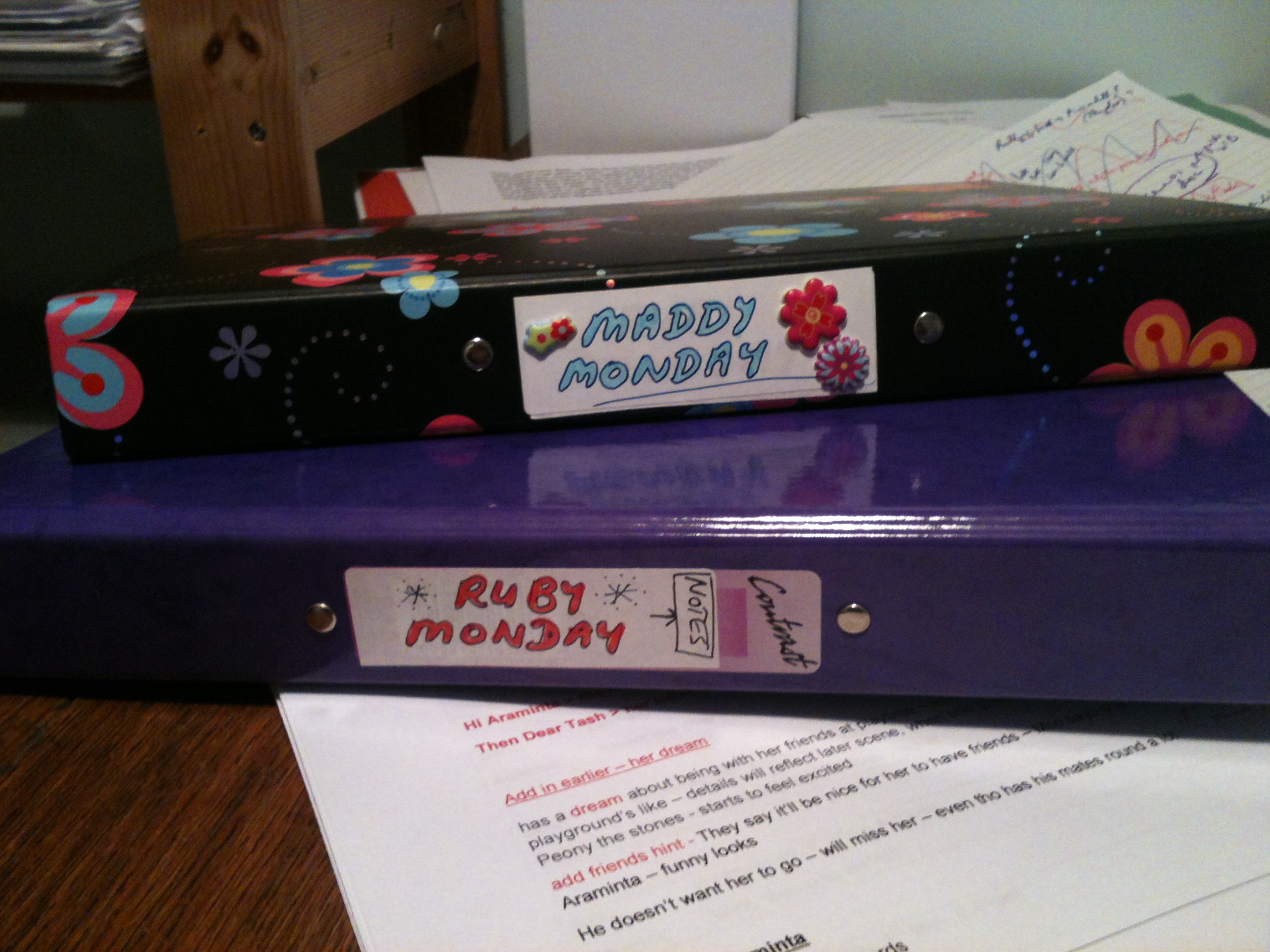
Two versions, ten years between
Last night I dreamt I was at a Scattered Authors conference, talking to other authors about this moment in a piece of work, when the book is inside you, fully-formed, like a shadow book, and your task is to bring it out, not harming or disturbing it, but as whole, which it already is.
You change yourself, your face, your mouth, stretching it wide, until gradually the book emerges out of your mouth, transforming from shadow to solid and real. I demonstrate it. I say how exciting this is, knowing the book is there, then opening yourself up and allowing it to come into the world so that everyone can see what it is.
I thought, ‘What if a life is like a book? Already complete in shadow form, and gradually emerging into the world, a little misshapen in its birthing, perhaps, a few edges knocked off in its early years, but still… when nature is ready, the matter inhabits the shadow.
Jerome Bruner’s thoughtful autobiography
Then I woke up and saw the book I’d been reading before I fell asleep, ‘In Search of Mind: Essays in Autobiography’ by Jerome Bruner, which begins with his thoughts about whether it is our history which shapes us or our destiny, and I smiled.
I love this layering-up of daytime activity, dreams and ideas. The material, the imaginal and the rational, playing alongside each other; themes and variations, music of the mind.
Have you ever had a book or story that took years between the first spark and the final realisation?
Last week I was co-tutoring a ‘Writing for Children’ course with Malachy Doyle at Totleigh Barton, the Arvon Foundation’s house in Devon.
Totleigh Barton
Arvon courses run from Monday afternoon to Saturday morning and they follow a tried-and-tested format
a 3-hour writing workshop every morning
individual tutorials in the afternoons
talks and readings in the evenings from both the tutors, a visiting guest and on the final night, the course participants
free time for writing and socialising
Each participant helps with preparing a meal and washing up once during the week, using simple recipes and ingredients provided by the centre staff.
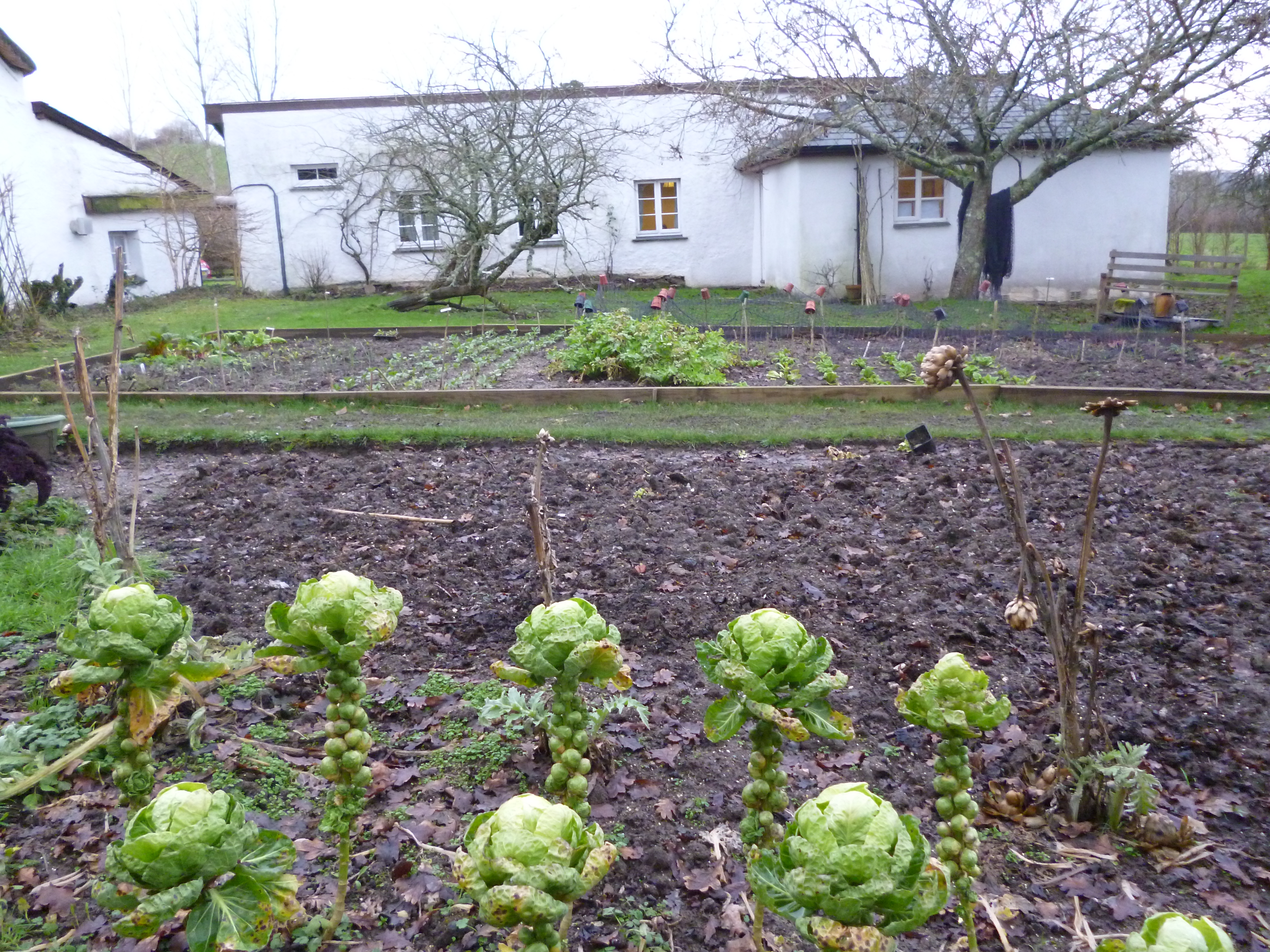
Meals at Totleigh include delicious local produce and vegetables from the garden
That’s the basic formula, but every course is different, depending on the group and the tutors. Ours included lots of things that weren’t in the programme, such as
extra tutorials, as the group was small due to people getting snowed in at home
long muddy walks in the beautiful surrounding countryside
an evening of very funny games and charades
a Burns supper with one of the centre’s directors reading ‘fair chieftain o’ the puddin’ race’ and Malachy regaling us at table with some of Rabbie’s songs
the reading to the whole group of a picture book written by two of the participants explaining what they had learnt during the week through the medium of story – the tragic, indeed shocking story of Milo the dog and Ben the chick
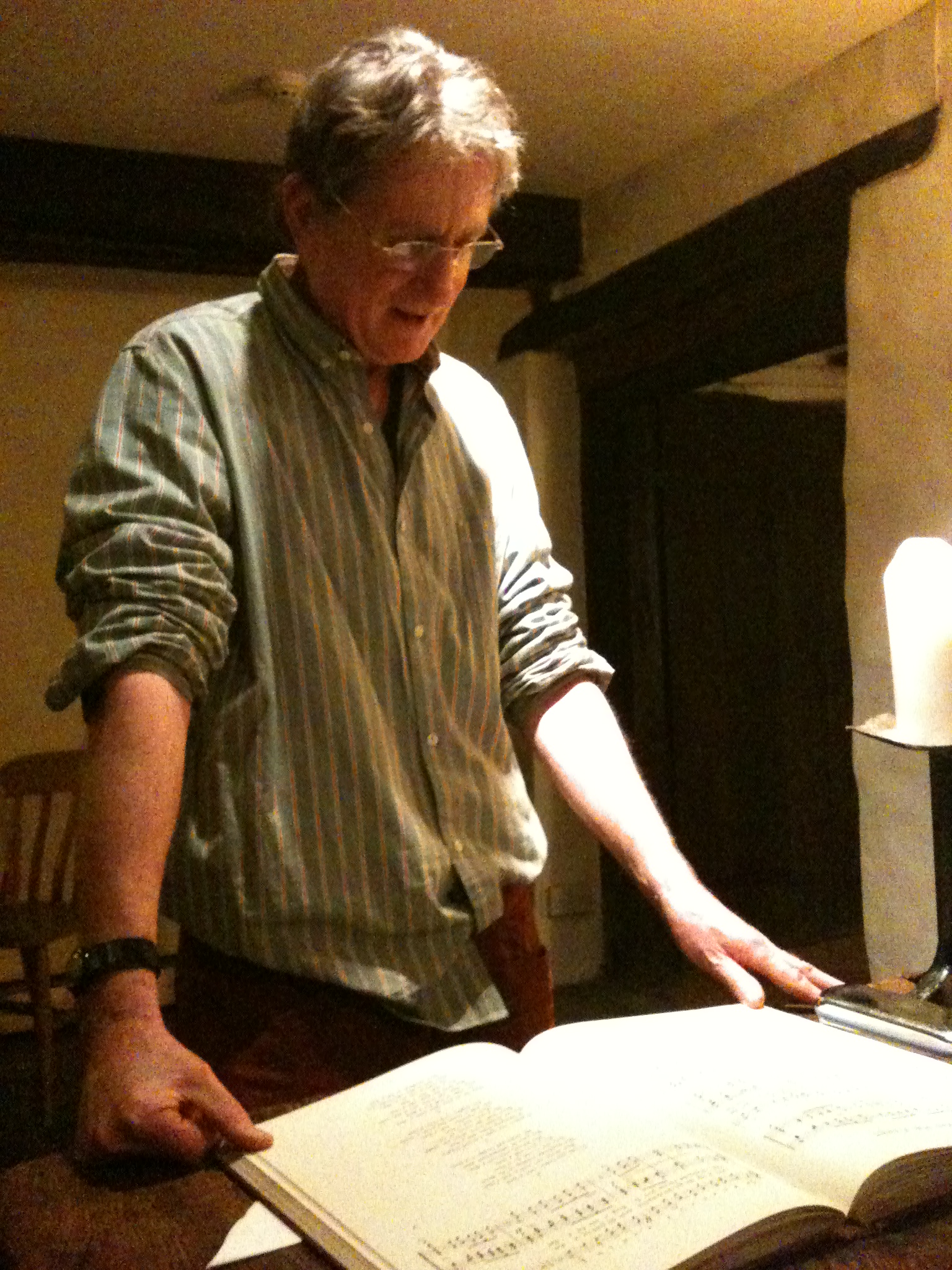
Malachy Doyle with his big book of Robbie Burns songs
You can learn an amazing amount in a single focused week, away from the work and worries of everyday life; you can enjoy conversations about writing with people who feel as passionately about it as you do yourself. You can also have a lot of fun.
If you get a chance to go on an Arvon course, I’d say grab it with both hands. I’ve been on two myself since my first book came out, and I’d recommend it to writers at every stage from complete beginners to published authors.
Have you ever been on an Arvon Foundation course? What were the best and worst things about it?
Years ago a tutor on a Society of Authors Arvon residential gave us a five-point character sketch, which I’ve used as a first way in ever since, although the fifth point always puzzled me.
Point 1: Name
Choose a name for your character, bearing in mind that names carry information about, for example, age and social background. They also carry more subtle nuances, suggesting a kind of personality and way of being.
Point 2: Their appearance
Age, hair colour, eyes, build, style… one or two points that give you a glimpse of your character
Point 3: Something they love
This might be any kind of thing, from dishonesty to travel, from football to cottage pie. Just the first thing that comes into your head
Point 4: Something they hate
As above
So far, so straightforward, but then there’s Point 5…
Point 5: Their special object
I interpreted this as meaning something you would always associate with them – maybe a physical mannerism such as a limp or an affectation of speech, or something they usually had with them like a dog or cat, or favourite piece of jewellery. But I don’t think most people have a special object such as that, so I always struggled to find one for my characters.
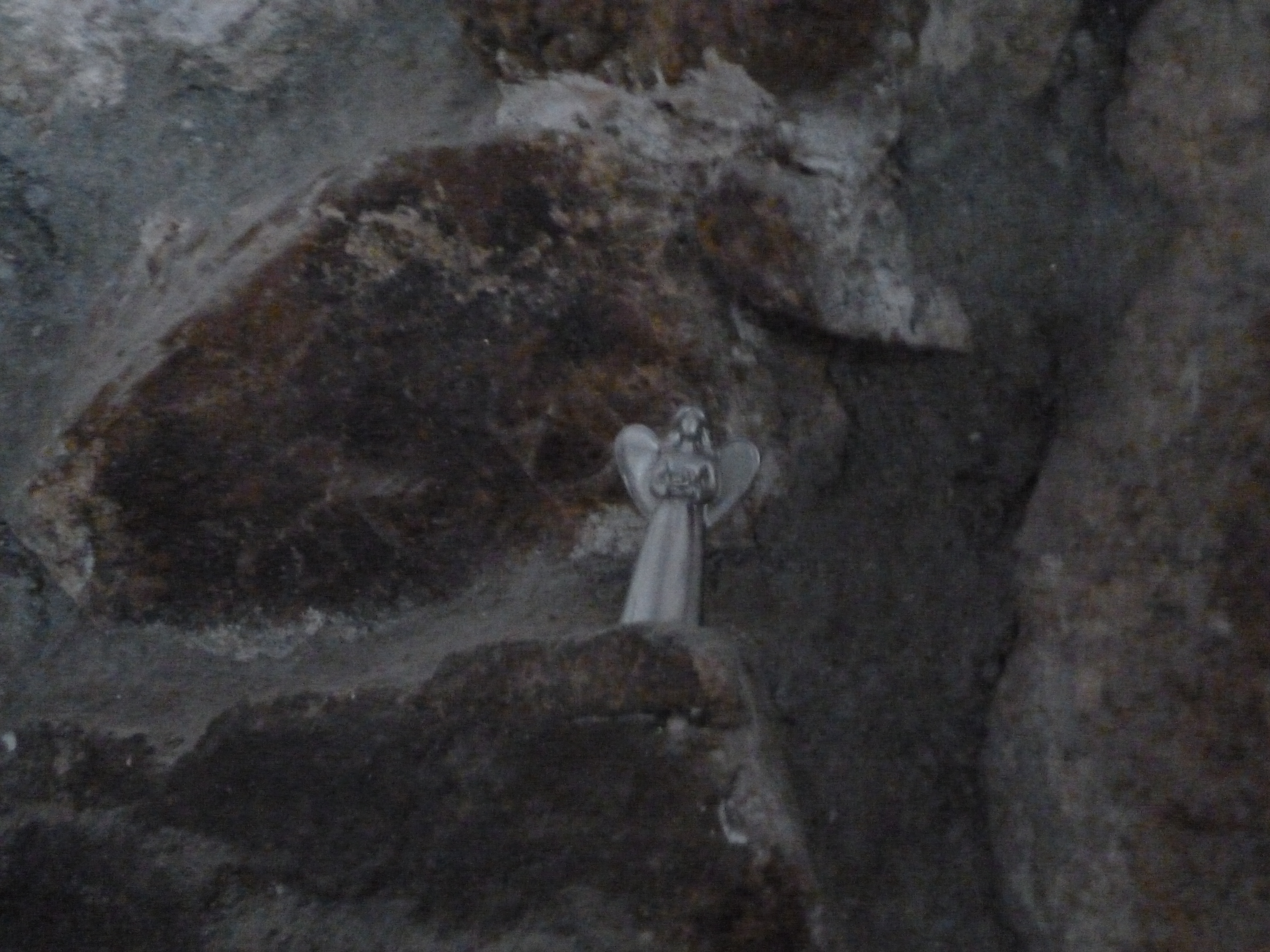
Then when I was tidying up after Christmas I was putting a fallen angel back into my fireplace wall when I suddenly thought, all these objects are special to me.
The angel that fell
There’s the penny-size Thomas the Tank Engine I found in the edge of the sea the summer I spent in the beach cafe writing Peony Pinker. The Christmas cracker car one of my kids gave me when I was writing Car-mad Jack. The champagne bottle candle from a twenty-first birthday cake. The Incredible Hulk who was here in the house when I arrived, and the angel I found in a drawer in an empty house once when I was close to despair. The sewn heart a sweet friend I’ve never met sent to me last year. The teddy-bear my daughter won at the amusements arcade on a family day down at Looe. To mention but a few.
The little teddy bear from Looe
And I suddenly thought of the five-point character sketch, realising that it doesn’t have to be one definitive special object. It can be any object at all that has emotional resonance and meaning for you.
Any object my character feels is special to them will do for point number 5. Or a scattering of small objects like the ones in my fireplace wall, which tell so much of the story of me.
Last week, I posted the picture Paul Farrington gave me before Christmas. Somebody else has given me a gift recently that I’ve been contemplating, and that was the dream therapist, Brenda Mallon. She generously read the MS of my book, ‘Writing in the House of Dreams’ and gave me some really helpful feedback.
‘The dream Experience’ by Brenda Mallon
Brenda’s feedback was helpful largely because it focused on what I had said about using dreams therapeutically – which I hadn’t even noticed I had talked about. It’s one of the mysteries of writing that you often don’t see everything that’s in a piece until it gradually reveals itself through other people’s reading.
I had thought my book was purely about using dream material for creative inspiration, because that’s what my workshops are. In dreaming-and-writing workshops we don’t relate the dreams we share in any way to our waking life – that would feel intrusive and be as creatively inhibiting as setting out to write fiction by first trying to analyse where it’s coming from in ourselves and our lives. We use dreams purely as a creative resource.
In this blog I’ve tried to steer away from interpretation and focus on dreams as creative resources too, but Brenda’s feedback has shown me that although I can easily narrow the focus in workshops, I haven’t done it in my book, I don’t do it in my life and I’m not really holding that line here on the blog.
So I’m throwing open the gates. This year, I’ll be writing about dreams from every angle, including some thoughts on interpretation and an interview with Brenda on using dreams in therapy. I’ll be doing some more general articles about writing too.
After all, it doesn’t matter what we write – we’re always writing in the House of Dreams.
Has a reader ever found something in your writing that you didn’t intend or realise were there?
One of the great things about teaching workshops is that you get to meet some very talented, interesting and likeable people. With the kind of workshops I do, such as ‘Writing the Tarot’ and ‘Writing in the House of Dreams’, most of the people who come also have a real sense of adventure.
Cue Paul Farrington, a keen traveller and talented young writer and photographer, who has done a number of courses with me now. At the last workshop before Christmas, Paul brought me a present, and here it is – a large print of a photo he took in America.
Dream house photo by Paul Farrington
I’ve been contemplating this picture over the holidays – how we can see the outside in wonderful detail, but we can only imagine what lies inside that spacious interior. The dark windows reveal nothing; they only reflect back the world outside.
We are the House of Dreams – the outer life so clear and familiar, the inner world often caught only in glimpses, or sometimes completely ignored. Dream-recalling and creative work of every kind are keys to getting right inside, having a proper look around and making yourself at home.
That’s the great joy of writing for me. It enables you to inhabit more of your Self. Dreamworking does the same thing.
Thank-you for following, commenting, tweeting and sharing on facebook throughout 2012, and may your 2013 be rich with wonderful dreams and writing.
I’m absolutely delighted that ‘Writing in the House of Dreams’ has been nominated for ‘The Sunshine Award’
The Sunshine Award is ‘given and passed on to bloggers who positively and creatively inspire others in the blogosphere.’
‘Positively’ and ‘creatively’ are two of my favourite words!
Acceptance of the award comes with the following instructions:
Acknowledge the person who gave this award in a blog post.
Do the Q&A below.
Pass on the award to 10 deserving and inspiring bloggers, inform them and link to their blogs.
So first of all, my thanks to the lovely Carolyn Hughes – do check out her phenomenally popular blog The Hurt Healer which is always thoughtful and beautifully written
Second of all, here’s my Q&A:
1.Who is your favourite philosopher? Hmm… I don’t really have one. I do like Eckhart Tolle’s ‘The Power of Now’ and Susan Jeffers’ philosophy of ‘Whatever happens, I’ll handle it’ though
2. What is your favourite number? 4
3. What is your favourite animal? The owl – it knows the secrets of the night
4. What is your favourite time of day? I find they’re all enjoyable in different ways – it’s one of the benefits of insomnia that you get to know the full 24 hours really well
6. What is your favourite holiday? Camping in the far North of Scotland and the Northern Isles – breath-taking scenery, wonderful wildlife, absolute tranquillity
7. What is your favourite physical activity? Walking in wild places
8. What is your favourite non-alcoholic drink? Coffee in the morning, tea in the afternoon.
9. What is your passion? Writing and dreamworking (no surprises there then!) I love teaching workshops too
10. What is your favourite flower? Nasturtiums, geraniums and roses in the summer, Michaelmas daisies in the autumn, snowdrops in the winter, primroses and daffodils in the spring. Impossible to narrow it down any further!
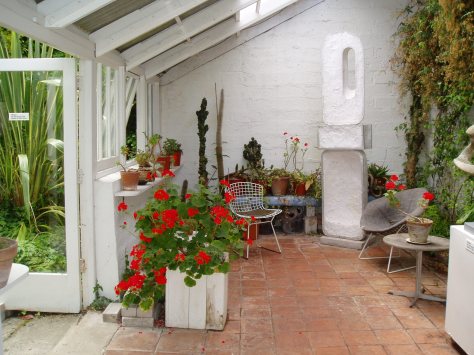
Gorgeous geraniums in Barbara Hepworth’s garden in St Ives
So now my nominations, in no particular order:
1. Toko-pa Artist, musician and dreamworker – a gentle, thoughtful blog and a beautiful voice
2. Writing SistersBetsy Duffey and Laurie Myers – creative inspiration from a Christian perspective, quotes and beautiful illustrations
3. Abi Burlingham Engaging and varied articles about a writer’s life
4 The Artist’s Road One of my favourite blogs about the craft of writing, by Patrick Ross






![sunshine-award[1]](https://writinginthehouseofdreams.com/wp-content/uploads/2012/12/sunshine-award1.jpg?w=474)
 Jenny Alexander's blog: Writing in the House of Dreams