My work is emotionally autobiographical. It has no relationship to the actual events of my life, but it reflects the emotional currents of my life ~Tennessee Williams
This quotation from Tenessee Williams seems to me to encapsulate where dreams and creative writing are the same.
Being literal-minded, if we try to relate the writing to the author we only do it in a direct way, wondering whether the people in the story are based on real people or the events are things the author has actually experienced.
We do the same with dreams, especially if we focus only on the symbols and not the emotions.
But even where we don’t find any obvious connection between the story and the author, the dream and the dreamer, it is powerfully there because dreams, like fiction, are simply story-versions of the dreamer’s or author’s emotional experiences.
Have you ever written a story that seemed to have nothing to do with your own life, only to realise later that it was ’emotionally autobiographical’?
Big thanks today to Wyndy Dee for nominating Writing in the House of Dreams for the Super Sweet Blogging Award. How gorgeous! More about Wyndy here http://wyndydee.wordpress.com/about/
The rules: Thank (and link) the person who Awarded it to you (see above!) Nominate 12 people and ask them these simple questions…here they are, with my answers.
Cookies or Cake? Whichever is the most chocolatey (obviously!)
Chocolate or Vanilla? A marriage made in heaven – both at once is best
Favorite Sweet Treat? Rhubarb crumble and Cornish clotted cream
When do you crave sweet things the most? At emotional extremes – when I feel either on top of the world or down in the dumps
Sweet Nick Name? I wish I had one. Today in the Rocky Valley tearooms near Tintagel, the waitress kept calling me honey, and I thought that was nice
Now then, my own nominees for the Super Sweet Award…
This time, I’m going for family and children’s-writer friends – I wish they could all come for cake in the House of Dreams!
Rosie Alexander‘Adviser on the Edge’ – my daughter, blogging about life and work from her home in Orkney
People often ask me for writing advice, and they’re surprised when the first thing I tell them is to keep a dream journal… keeping a dream journal is perfectly sound, if neglected, writing advice ~Andrew Blackman on writetodone
This extract is from a blog post I read last week which had me punching the air – yes! The author says even people who don’t normally remember their dreams can become dream-recallers through practice. He recommends
recording whatever you can remember immediately upon waking
not trying to judge or analyse your dreams
Then he outlines the advantages for authors in keeping a dream journal, which boil down to inspiration, breaking through blocks and seeing the world differently.
I couldn’t have put it better, but there are a few things I might add about the dream journal itself.
My two most recent journals – they have to look and feel beautiful!
When I first started recording my dreams over forty years ago, I wrote them in school exercise books, just the dreams, packed together with no extra content except the date. I’m not knocking it – that’s all you need in order to establish great dream-recall.
Then I studied dream interpretation using the Western psychological model, and began to include some brief details about what was going on in my waking life, so in effect my journal recorded two parallel lives, waking and dreaming. This threw up some real insights into how both dreams and waking life work, but I wouldn’t necessarily recommend it if you’re looking to use your dreams as a creative resource.
Interpreting comes naturally with experience, in the same way as experience of life deepens our understanding, but if we approach dreams with this primary focus it’s easy to lose the bigger picture. Understanding dreams only as expressions of the waking life would be like understanding every piece of fiction you write as autobiography. It might be, but if you examine that too closely you can lose sight of the story and its own life.
My diaries have evolved: dreams, drawings, bits stuck in…
Gradually, my dream journals have evolved so that although the core of them is my daily record of my dreams, and brief notes about events and preoccupations in my waking like, I’m also recording lots of other stuff such as
thoughts and observations that have engaged me during the day
sketches
plans
story ideas
tarot readings
notes on books I’m reading
quotations
scraps of paper stuck in with cellotape if I’ve jotted ideas down when I’m away from the house
This may sound like a mess, but it’s actually rather lovely, because I use different colour gel pens for the various different kinds of entry.
It may also sound like a major commitment of time but it isn’t. The only regular writing I do is the dreams – all the rest is random, and I’d be doing it anyway, only previously it was scattered about in various nooks and notebooks.
Pulling it all together means it adds up to a rich and satisfying record of my life, both inner and outer, which seems to provide a rich seed-bed in which my various writing projects can easily root and grow.
Great news today – Writing in the House of Dreams has received the Very Inspiring Blogger Award from the lovely Katherine Langrish, writer and story-teller extraordinaire. You may have heard her on Radio 4’s Open Book programme recently, discussing dystopian fiction.
Under the conditions of the award, I have to tell you seven things about myself, and as it’s spring, I’m giving you seven pictures from my garden, which is always a source of happy ponderings for me:
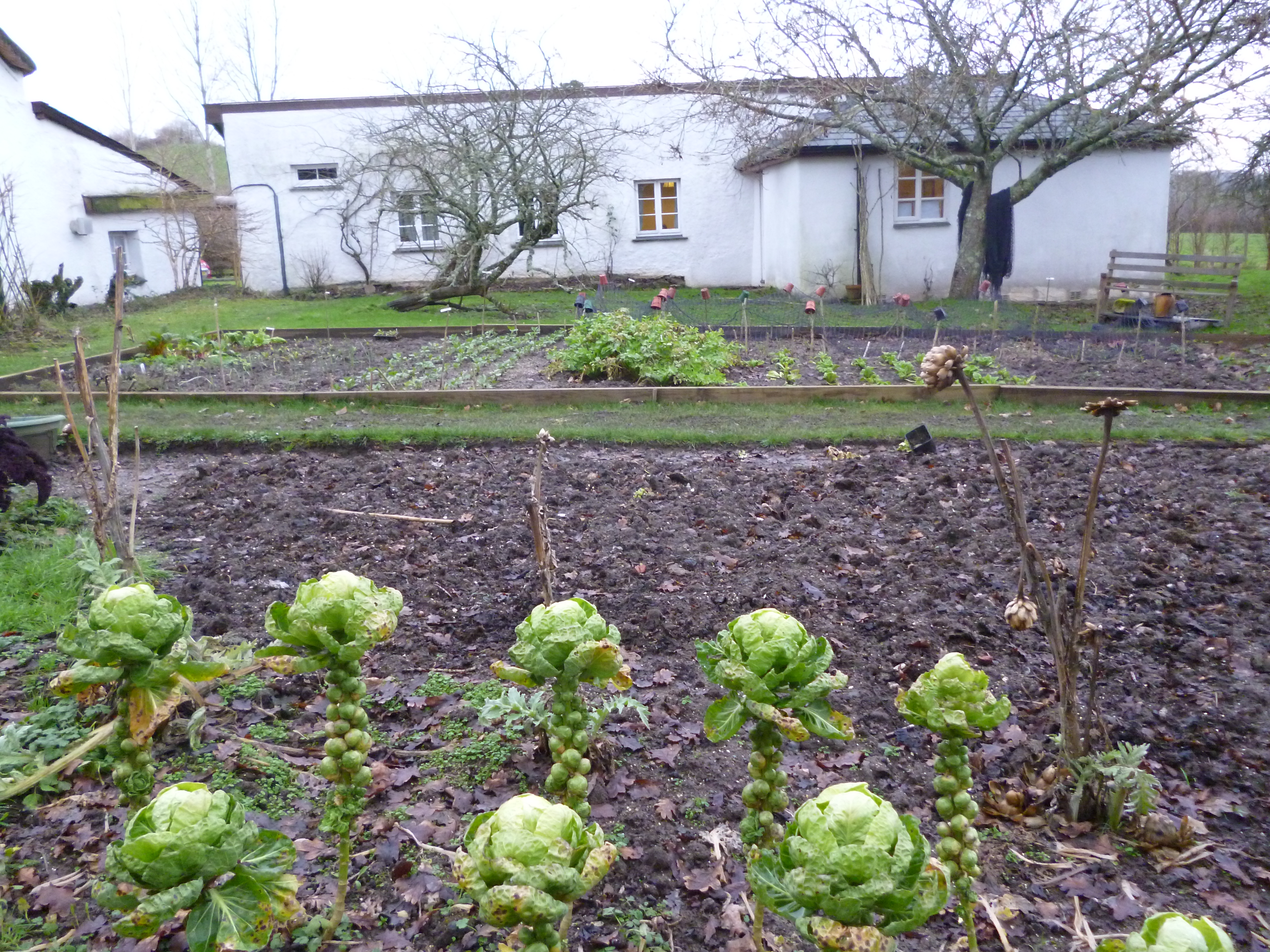
1. My garden is loooong, so even on a day when it’s too cold to sit out, I like to walk up and down on breaks from my computer
2. When it’s warm, you can’t beat a swing seat for sunning
3. Coffee at the table under the trees is good when there are notes or MSS to read
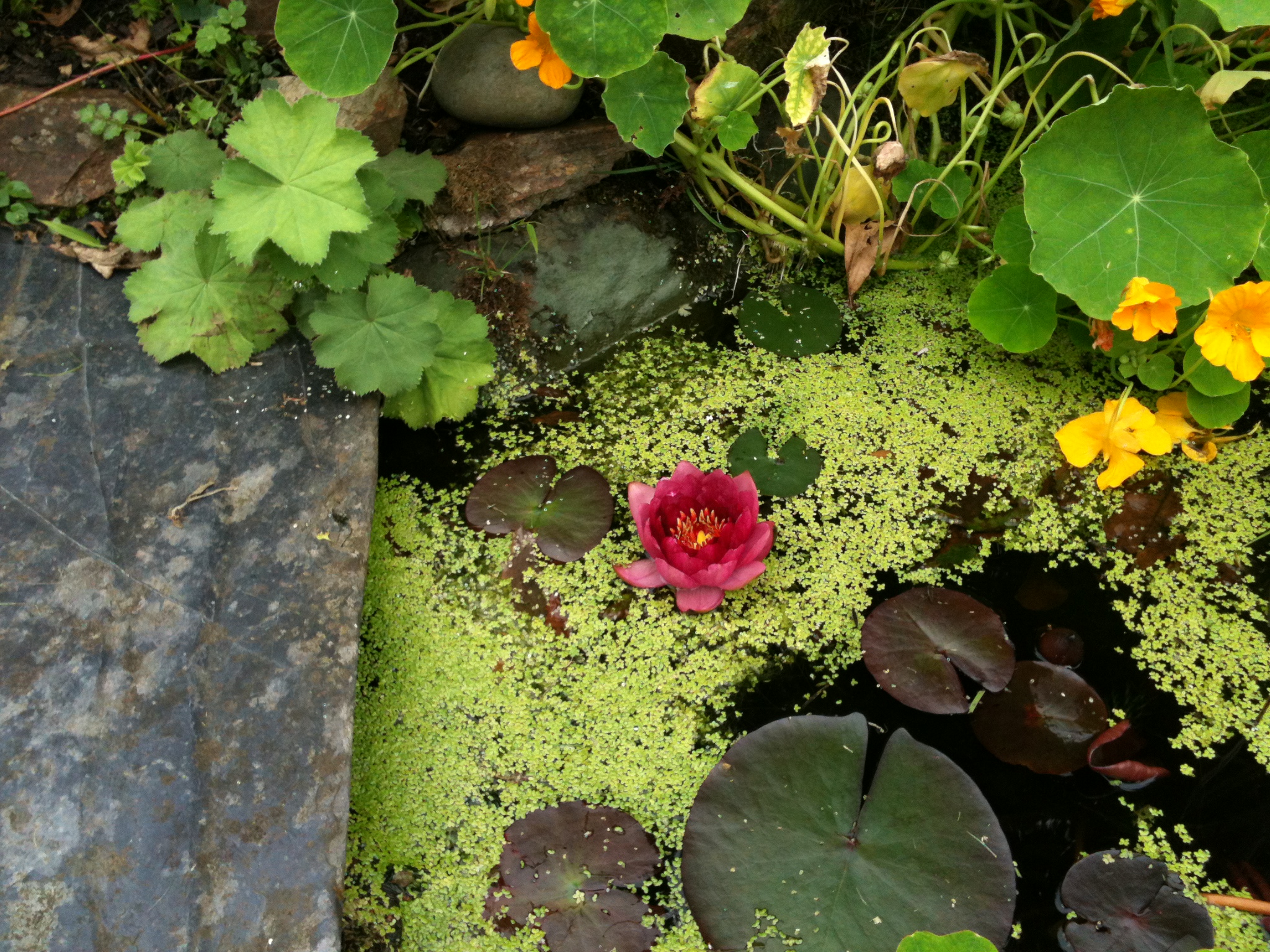
4. For contemplation, a nice peaceful pond
5. Flowers, obviously…
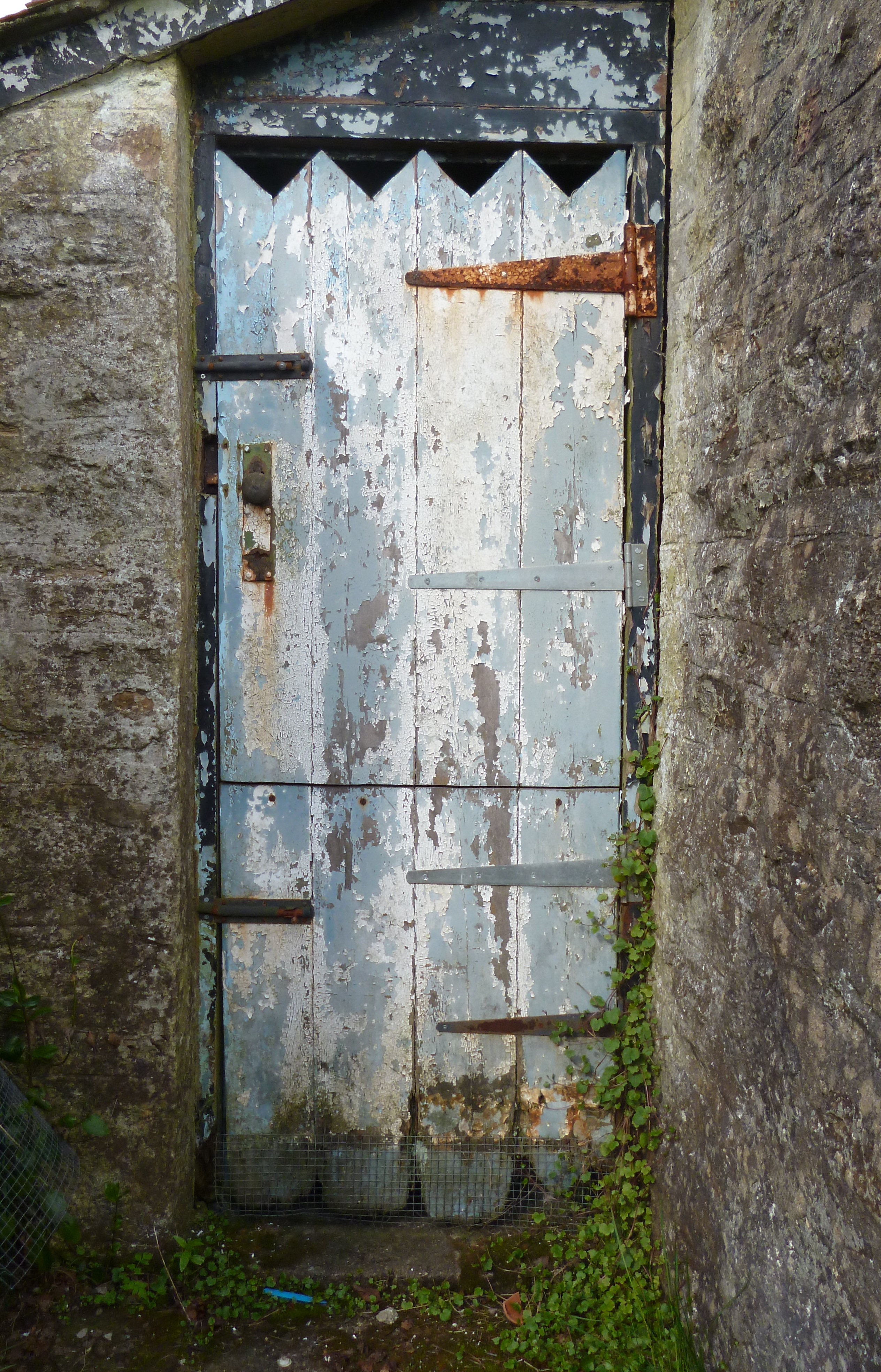
6. Pending DIY projects to help me stay focused on my writing
7. And even on rainy days, watching the birds through my study window
But enough about me! Now I have the privilege of nominating five Very Inspiring Bloggers myself. This time I’m going for blogs on writing, and here they are:
The astonishingly prolific rarasaur – I know she’s already got this award, but I like spreading the word about the good stuff!
Just after Christmas, when I had finished my story set on a remote island, I had a brief hiatus, so I asked for a dream.
I’m in Cunningsburgh, in Shetland, but the coast is completely different. Instead of the wide flat apron of land around the voe, it’s high and mountainous.
Cunninsburgh, looking out towards the voe
We go to the top of the cliffs and start our familiar walk, down the narrow path which clings to the side of the steep slope down to the sea. We normally make this a circular walk, but when we reach the water and look up at the path ahead, it looks too long and hazardous. So we double back the way we came, and return to the top once again.
When I wrote the dream down, I knew I’d dreamt about this place before, and done the walk in other dreams; I also remembered that it almost always coincided with this stage in my writing, when I had finished one MS and not yet started another.
After I finish a book, I need a fallow time to rest and recover, refocus and regroup. I play with lots of ideas and then, just when I’m starting to feel impatient, one of them grabs me.
My dream of going down to the water reminds me of an idea I’ve read in books on writing, that writers need to take time out and ‘go down to the well’ to keep refreshing their ideas. Julia Cameron talks about it in her ‘writer’s date’ suggestion in ‘The Artist’s Way.’
Julia Cameron recommends taking time out every week, but I find my writing pattern is such that when I’m in the flow I just want to write 24:7 till I reach the end, and then take a chunk of time out to recover (and get some sleep!)
After this dream, and a period of rest, what eventually grabbed me was a return to the world of Peony Pinker, the protagonist of my latest published series. I guess that’s why I doubled back in my dream.
It’s only through writing down your dreams and noting alongside them the main things that are happening in your waking life, that you start to see patterns and parallels emerging. Certain themes and situations in your dreamworld may become familiar, as they reflect recurring themes and situations in your waking life.
I’ve just delivered my follow-up story to Peony Pinker, ‘Me and my big mouth, by Maddy Monday,’ so I won’t be surprised if I find myself walking back down to the water in my dreams these next few weeks.
If you’re a dreamer, are you aware of a recurring link between a dream situation and a waking one in your own life?
If you’re a writer, how often do you ‘go down to the well’ – for a few hours every week, or for longer periods between writing projects?
Jung said that dreams don’t only happen when we’re asleep, but all the time, waking and sleeping, throughout our lives. The unconscious mind is continuously producing images and narratives, but we’re only aware of it during sleep because then the distractions of waking life are stilled.
The movement between the conscious and unconscious areas of the mind is like a breathing in and out. Products of the unconscious mind emerge into consciousness – inklings, intuitions, emotions, instincts, senses, desires, before we have had time to formulate them into conscious ideas – and everything you have ever consciously known but don’t currently need to remember sinks into your unconscious mind, where it may lie undisturbed for years.
Because everything you have ever known is in there somewhere, it isn’t uncommon to have the experience of a name or piece of information you vaguely recognise but can’t recall where from suddenly popping up in your mind in response to something that’s happening in your life.
‘Women who run with the wolves’ – highly recommended
This happened to me recently when I was planning some new courses. One of the ideas I was considering was an all-women group, and another was writing from myths – I do a couple of sessions on myth in my ‘Writing in the House of Dreams’ workshops, but not a whole course. That night, I dreamt about someone called Pinkola Estes.
The name rang a bell, and I looked it up, to discover that Clarissa Pinkola Estes was the author of a book from the nineteen-nineties exploring myths and stories, ‘Women who run with the wolves.’ I recalled a friend recommending the book to me two decades before, but as I didn’t like the title I had never followed it up.
I hadn’t thought of Clarissa Pinkola Estes once in the intervening years – to all intents and purposes, I had completely forgotten about her. She had only ever been, after all, a fleeting mention. But I bought the book, and am finding it very useful as I develop this new workshop series.
I have dreamt the names of books, authors, gods and goddesses, which I may have come across long ago or sometimes can’t recall ever having heard of before, and it always happens at a time when following them up proves to be fruitful.
Have you ever suddenly recalled to mind something you had effectively forgotten?
Last week I was co-tutoring a ‘Writing for Children’ course with Malachy Doyle at Totleigh Barton, the Arvon Foundation’s house in Devon.
Totleigh Barton
Arvon courses run from Monday afternoon to Saturday morning and they follow a tried-and-tested format
a 3-hour writing workshop every morning
individual tutorials in the afternoons
talks and readings in the evenings from both the tutors, a visiting guest and on the final night, the course participants
free time for writing and socialising
Each participant helps with preparing a meal and washing up once during the week, using simple recipes and ingredients provided by the centre staff.
Meals at Totleigh include delicious local produce and vegetables from the garden
That’s the basic formula, but every course is different, depending on the group and the tutors. Ours included lots of things that weren’t in the programme, such as
extra tutorials, as the group was small due to people getting snowed in at home
long muddy walks in the beautiful surrounding countryside
an evening of very funny games and charades
a Burns supper with one of the centre’s directors reading ‘fair chieftain o’ the puddin’ race’ and Malachy regaling us at table with some of Rabbie’s songs
the reading to the whole group of a picture book written by two of the participants explaining what they had learnt during the week through the medium of story – the tragic, indeed shocking story of Milo the dog and Ben the chick
Malachy Doyle with his big book of Robbie Burns songs
You can learn an amazing amount in a single focused week, away from the work and worries of everyday life; you can enjoy conversations about writing with people who feel as passionately about it as you do yourself. You can also have a lot of fun.
If you get a chance to go on an Arvon course, I’d say grab it with both hands. I’ve been on two myself since my first book came out, and I’d recommend it to writers at every stage from complete beginners to published authors.
Have you ever been on an Arvon Foundation course? What were the best and worst things about it?
I’m absolutely delighted that ‘Writing in the House of Dreams’ has been nominated for ‘The Sunshine Award’
The Sunshine Award is ‘given and passed on to bloggers who positively and creatively inspire others in the blogosphere.’
‘Positively’ and ‘creatively’ are two of my favourite words!
Acceptance of the award comes with the following instructions:
Acknowledge the person who gave this award in a blog post.
Do the Q&A below.
Pass on the award to 10 deserving and inspiring bloggers, inform them and link to their blogs.
So first of all, my thanks to the lovely Carolyn Hughes – do check out her phenomenally popular blog The Hurt Healer which is always thoughtful and beautifully written
Second of all, here’s my Q&A:
1.Who is your favourite philosopher? Hmm… I don’t really have one. I do like Eckhart Tolle’s ‘The Power of Now’ and Susan Jeffers’ philosophy of ‘Whatever happens, I’ll handle it’ though
2. What is your favourite number? 4
3. What is your favourite animal? The owl – it knows the secrets of the night
4. What is your favourite time of day? I find they’re all enjoyable in different ways – it’s one of the benefits of insomnia that you get to know the full 24 hours really well
6. What is your favourite holiday? Camping in the far North of Scotland and the Northern Isles – breath-taking scenery, wonderful wildlife, absolute tranquillity
7. What is your favourite physical activity? Walking in wild places
8. What is your favourite non-alcoholic drink? Coffee in the morning, tea in the afternoon.
9. What is your passion? Writing and dreamworking (no surprises there then!) I love teaching workshops too
10. What is your favourite flower? Nasturtiums, geraniums and roses in the summer, Michaelmas daisies in the autumn, snowdrops in the winter, primroses and daffodils in the spring. Impossible to narrow it down any further!
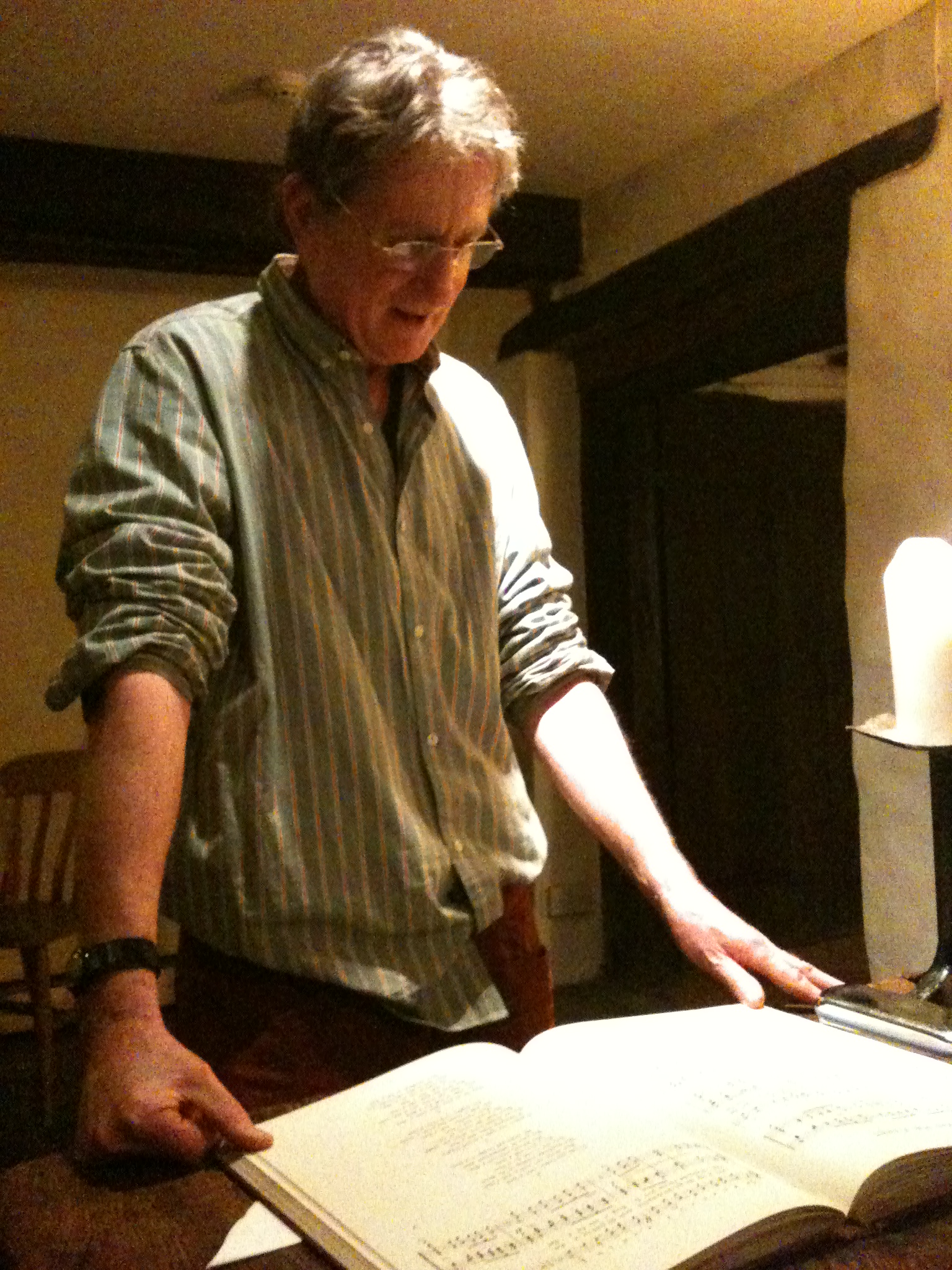
Gorgeous geraniums in Barbara Hepworth’s garden in St Ives
So now my nominations, in no particular order:
1. Toko-pa Artist, musician and dreamworker – a gentle, thoughtful blog and a beautiful voice
2. Writing SistersBetsy Duffey and Laurie Myers – creative inspiration from a Christian perspective, quotes and beautiful illustrations
3. Abi Burlingham Engaging and varied articles about a writer’s life
4 The Artist’s Road One of my favourite blogs about the craft of writing, by Patrick Ross
My guest in the House of Dreams this month is the author Alison Boyle, who attended one of my workshops a while ago. I love the idea of ‘writing in the space between sleeping and waking.’
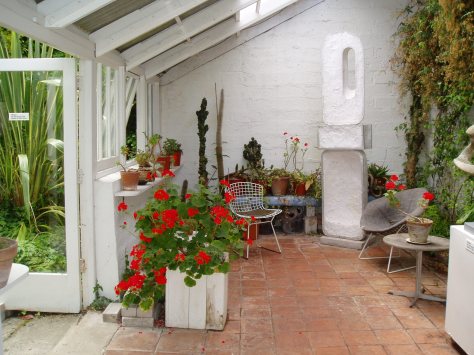
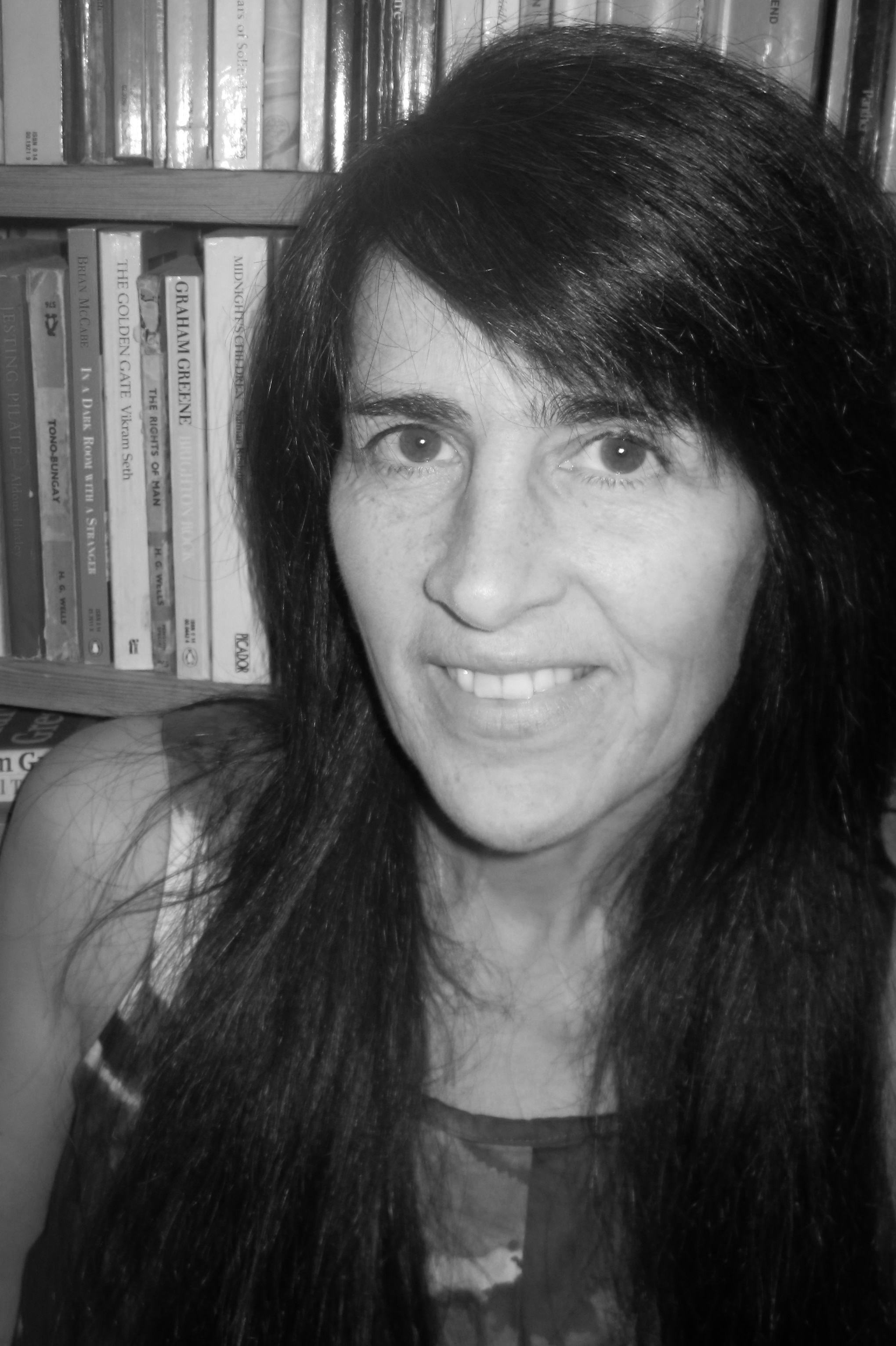
Alison Boyle
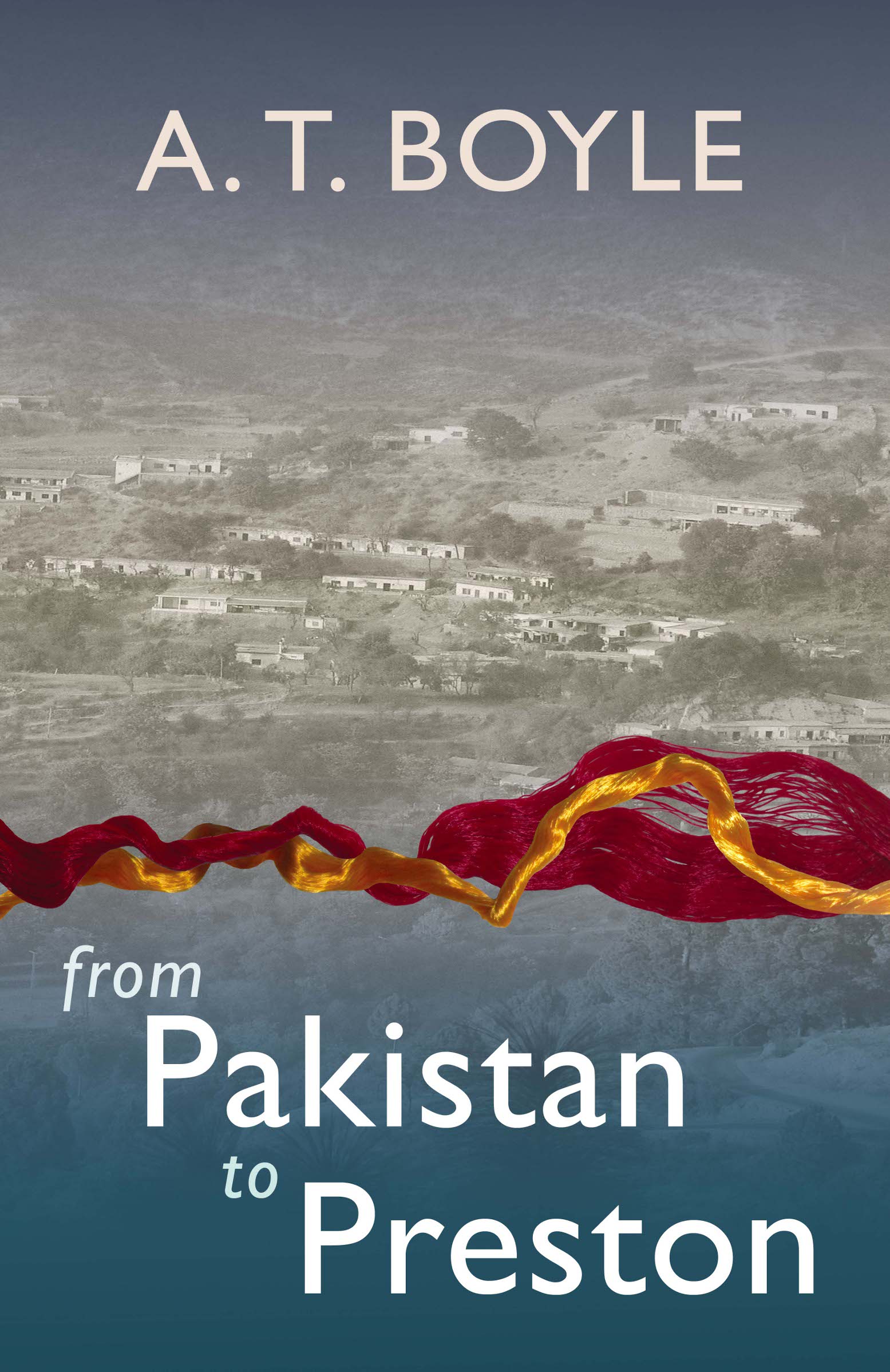
In the space between sleeping and waking I found a way of expressing the internal voice of a main character in my latest book ‘from Pakistan to Preston’.
‘From Pakistan to Preston’
Most of the narrative is in the third person, and I’d been looking for a convincing internal voice for Tommy O’Reilly that exposed the indecisions whirring round his head. Tommy’s self-expressive flights, which I scribbled on scraps of paper at the moment they occurred to me and not a moment later, bring a change of tone and perspective to the story. Through this voice I hope that readers feel they understand – and feel – Tommy’s struggles in loving Sunehri Saleem.
The rest of the book is quite grounded, featuring the unusual work setting of an artificial silk factory in the North of England.
I found that the signposts in Jenny’s dream workshop allowed me to travel a little more confidently down some imaginative pathways I had only tentatively explored through my writing before. The biggest surprise was finding that her workshop didn’t activate a warning beep on my ‘Is this new age nonsense?’ monitor.
At the Manchester Literature Festival, Northern Debuts
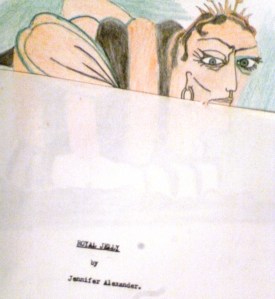
When I decided to try and make a career of writing in my early forties my first stumbling block was that I had no idea what kind of writer I wanted to be. I’d written a number of adult novels in my teens and early twenties, and sent a sample of the last one to six big publishers, four of whom had asked to see the whole MS. They all went on to send me encouraging letters of rejection, the concensus being that my book was too ‘experimental.’
Royal Jelly – too experimental!
Like lots of writers dipping their toe in the market for the first time, I didn’t notice the encouragement, or indeed clock what a good sign it was that four out of six major publishers wanted to read my whole manuscript. I took the fact that they’d all rejected it as a sign that I wasn’t good enough.
In the long gap between those early novels and my decision to try and be an author, I’d also discovered a great enthusiasm for children’s books through reading billions of them to my own children. So I wrote an adult novel, a whodunnit and several children’s stories and sent them to several agents.
The agent who took me on said she thought I could be published as both an adults’ and a children’s author, but advised me to start with children’s stories. She stressed that it wasn’t easier to write for children but, purely because of the much shorter length, it was quicker. I might spend five years writing an adult book and then not find a publisher, which would be crushing, whereas I could do a lot of children’s stories in that time and, even if I got rejections, I might well still hit the market quicker.
I was happy with that. Writing shorter pieces was easier to fit into my daily routine of grabbing a few hours to write in the mornings when all the children were at school or playgroup. I enjoyed it hugely, but I assumed it was a phase – I thought the reason I could write children’s stories was because I had children at home, so I was kind of in the zone. When they grew up, my writing would surely grow up too.
But since my children have flown the nest, I’ve discovered that there’s this lively ten-year-old in me, and she’s the one I’ve been writing for all along. She’s both my reader and my protagonist, and she loves funny stories, with lots of action and chaos.
I don’t think it’s outer circumstances that make a children’s writer, but what’s inside. If you haven’t got that vocal, living inner child demanding and driving your story, you’ll get the voice wrong, you’ll speak down as your adult self and your readers won’t connect with what you’ve written.
In that case, I’d say personally that it would be easier to write for adults.







![sunshine-award[1]](https://writinginthehouseofdreams.com/wp-content/uploads/2012/12/sunshine-award1.jpg?w=474)


 Jenny Alexander's blog: Writing in the House of Dreams